
Finding China’s Best Pins For Trading suppliers requires more than comparing prices on a marketplace. Reliable sourcing begins with evidence, consistent communication, and careful product evaluation. A supplier may show polished photographs, yet the actual pins can have uneven enamel, weak clasps, or scratched plating.
Daniel Reed, an experienced promotional-products sourcing consultant, says, “A dependable pin supplier proves quality before discussing volume.” This principle deserves attention. Ask for recent factory videos, business credentials, material specifications, and production photographs. Request physical samples before accepting a large quotation. Hold each sample under bright light. Check the edges, back attachment, color filling, metal finish, and packaging.
A trustworthy factory should explain its minimum order quantity, sample charges, lead time, inspection process, and correction policy. Clear answers matter. Vague promises create expensive uncertainty. Suppliers with documented quality procedures usually communicate measurable standards, not only attractive claims. You should also compare several factories using the same design brief. Include dimensions, metal color, plating method, enamel type, backing choice, packaging requirements, and delivery expectations.
Small details expose large risks. A rushed sample may hide weak workmanship. A very low price may exclude mold fees or protective packaging. Some buyers, including experienced ones, focus too heavily on quotations and overlook after-sales support. That is a mistake worth admitting.
Before placing an order, confirm payment terms and product responsibilities in writing. Keep approved samples and artwork records. These steps cannot remove every problem, but they make disputes easier to resolve. The right Pins For Trading partner is not simply the cheapest factory. It is the supplier that repeatedly delivers what was promised.
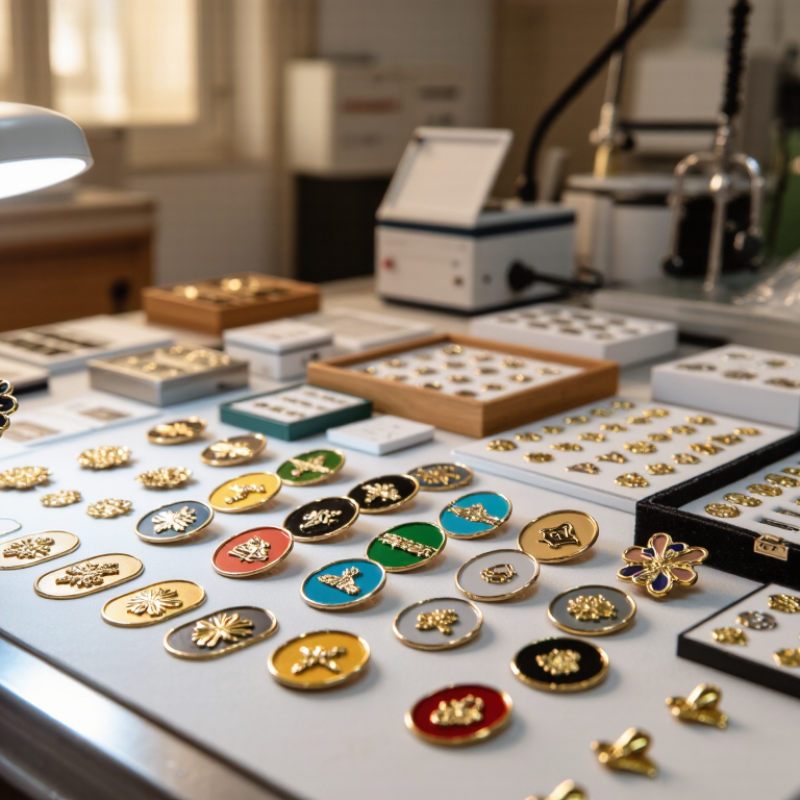
Reliable trading pins begin with a precise product definition, not attractive artwork alone. Common materials include zinc alloy, brass, iron, and stainless steel. Zinc alloy supports detailed shapes, while brass gives a heavier, more premium feel. Iron can reduce cost but may need stronger corrosion protection. Ask suppliers for material declarations and production samples.
Finish changes both appearance and durability. Popular options include polished gold-tone, silver-tone, black nickel, antique metal, and colored enamel. Soft enamel leaves visible recessed lines, while hard enamel creates a smoother surface. Check plating thickness, color consistency, clasp strength, and edge quality under bright light. A sample may look excellent, yet bulk production can expose uneven color or small scratches.
HS Code 7117 commonly covers imitation jewellery, but trading pins may receive different classifications based on construction, function, and importing country. Do not treat 7117 as automatic. Share drawings, material details, dimensions, packaging information, and product photographs with a qualified customs professional. A dependable supplier should provide a commercial invoice, packing list, accurate weight, and clear origin details. Request compliance information for restricted substances when required by the destination market. I have seen buyers focus on the design and overlook customs wording. That mistake can delay clearance. Classification still needs professional review.
China Best Pins For Trading: How to Find Reliable Suppliers?
The National Bureau of Statistics manufacturing PMI averaged 49.9 in 2023. A reading below 50 suggests contraction in manufacturing activity. It does not automatically mean every Chinese pin supplier is weak. The figure is a national signal, not a factory scorecard. Use it to increase checking, not to reject a whole market.
Ask suppliers for dated production records, material specifications, inspection photos, and recent sample results. Compare their quoted output with actual workshop capacity. A small factory may promise 100,000 trading pins monthly, but its pressing machines and staff should support that claim. Request a sample with clear edges, stable plating, secure clasps, and accurate colors. Inspect the backing by hand.
Check whether the supplier explains defects openly. Reliable teams usually describe acceptable tolerance levels and replacement procedures in writing. Confirm lead times during busy seasons, packaging details, and payment milestones. The PMI can also guide negotiation: weaker demand may create room for better schedules, but it can pressure factories to cut costs. That risk deserves attention. A low price may hide thinner metal or rushed finishing. I would not rely on one inspection or one economic indicator. Supplier websites can be outdated, and factory photos can be staged. Independent verification remains necessary.
| Month | NBS Manufacturing PMI | Benchmark | Market Status | Supplier-Screening Implication |
|---|---|---|---|---|
| January 2023 | 50.1 | 50.0 | Expansion | Begin supplier verification while monitoring capacity recovery after the holiday period. |
| February 2023 | 52.6 | 50.0 | Expansion | Strongest PMI reading of the year; request production samples and verify available capacity. |
| March 2023 | 51.9 | 50.0 | Expansion | Favorable operating environment; compare quotations, lead times, and quality-control procedures. |
| April 2023 | 49.2 | 50.0 | Contraction | Use smaller trial orders and confirm that suppliers can maintain delivery schedules. |
| May 2023 | 48.8 | 50.0 | Contraction | Apply stricter financial, inventory, and continuity checks before placing large orders. |
| June 2023 | 49.0 | 50.0 | Contraction | Require documented production capacity, inspection checkpoints, and backup logistics options. |
| July 2023 | 49.3 | 50.0 | Contraction | Prioritize suppliers with documented process controls and stable raw-material sourcing. |
| August 2023 | 49.7 | 50.0 | Near Stabilization | Recheck lead times and negotiate flexible order quantities while the market remains below neutral. |
| September 2023 | 50.2 | 50.0 | Expansion | Improving conditions support renewed sampling and supplier comparison, but quality audits remain necessary. |
| October 2023 | 49.5 | 50.0 | Contraction | Avoid relying on a single source; validate inventory levels and shipment commitments. |
| November 2023 | 49.4 | 50.0 | Contraction | Use purchase orders with clear inspection, replacement, and delivery-delay clauses. |
| December 2023 | 49.0 | 50.0 | Contraction | Maintain conservative order volumes and complete an annual supplier performance review. |
| 2023 Annual Average | 49.9 | 50.0 | Slight Contraction | Use PMI as a market-level screening signal, then verify each supplier through samples, factory audits, certifications, capacity checks, and shipment records. |
Data source: National Bureau of Statistics of China, Manufacturing Purchasing Managers’ Index monthly releases for 2023. A PMI reading above 50 indicates expansion, while a reading below 50 indicates contraction.
When sourcing trading pins from China, verify the factory before comparing prices. Ask for a current ISO 9001 certificate, not a scanned logo or cropped image. Check the legal factory name, registered address, certificate number, expiry date, and certification scope. The scope should cover relevant manufacturing activities. Contact the issuing certification body through its official channel.
BSCI records can reveal how a workplace is managed. Request the latest assessment report with the factory’s permission. Review the assessment date, production location, worker interview methods, and corrective actions. A strong report should show more than a passing result. It should explain working hours, safety controls, wage practices, and follow-up progress. Look for consistency between the report and a live video tour. Empty workstations can be misleading.
I also compare the certificate address with the quotation, bank details, and sample shipment location. One mismatch does not prove dishonesty, but it demands a clear explanation. During one supplier review, I focused too heavily on polished documents and overlooked an outdated factory address. That was a useful warning. Documents matter, but direct verification matters more. Ask for recent audit records, production photos with dates, and a small sample order. Keep written answers and inspection findings in one file. Trust should be earned slowly.
When sourcing trading pins from China, compare suppliers through MOQ, lead time, and inspection quality. Ask for a written quotation covering metal, plating, enamel, backing, packaging, and revision costs. A low MOQ may suit a test order, but it can increase the unit price. Request a pre-production sample and compare it with the approved artwork. Small differences matter.
Lead time should separate sampling, production, inspection, and shipping. A supplier might quote five to seven days for samples and fifteen to twenty-five working days for production. Capacity can change those figures.
Ask what starts the production clock: artwork approval, payment, or sample confirmation. Add time for plating delays and rework. Vague dates are more worrying than longer dates.
For quality control, specify an AQL 2.5 inspection plan and agree on the sampling table before production. AQL 2.5 does not mean exactly 2.5 percent defective goods. It describes an acceptance sampling level, often applied with ISO 2859-1 procedures. Separate critical, major, and minor defects. Inspect clasp security, sharp edges, color consistency, scratches, missing enamel, and incorrect text. Record photos and batch numbers. An independent inspection can verify the shipment. However, sampling cannot catch every defect. That limitation deserves attention. Review failed samples and request corrective action, not excuses.
When sourcing trading pins from China, calculate landed cost before comparing supplier quotes. The invoice price is only one component. Confirm the correct HS classification, then check duty rates using the importing country’s customs database. The WTO World Tariff Profiles 2023 shows that tariff treatment can vary sharply by product category and destination.
Use Incoterms carefully. Under FOB, the buyer usually pays main freight, insurance, import duty, and VAT. Under DDP, the seller manages more costs, but tax handling and customs responsibility require verification. Add product cost, inland transport, export fees, ocean or air freight, insurance, duty, brokerage, and VAT.
Freight estimates should reflect current conditions, not an old quotation. The UNCTAD Review of Maritime Transport 2024 highlights continuing volatility in shipping routes and transport costs. Ask for a dated freight offer and confirm its validity period. The World Bank Logistics Performance Index 2023 assessed 139 economies, showing meaningful differences in customs efficiency and delivery reliability. That matters when selecting a supplier.
Request commercial invoices, packing lists, carton dimensions, origin details, and sample customs declarations. Small errors can change duty calculations. I have seen buyers compare unit prices while ignoring oversized cartons. That comparison was incomplete. Also, VAT recovery depends on local registration and accounting rules, so confirm the position with a qualified customs adviser.
Common materials include zinc alloy, brass, iron, and stainless steel. Zinc alloy supports detailed shapes. Brass feels heavier and more premium. Iron may reduce costs but needs stronger corrosion protection. Ask for material declarations and production samples.
Finishes affect appearance and durability. Common choices include gold-tone, silver-tone, black nickel, antique metal, and colored enamel. Soft enamel shows recessed lines. Hard enamel creates a smoother surface. Check plating thickness, color consistency, clasp strength, and edge quality under bright light.
No. A sample can look excellent, while bulk production shows uneven colors or small scratches. Request approval samples and inspection photos. Check several pieces, not just one. I once trusted one attractive sample too quickly.
No. This code commonly covers imitation jewellery, but classification depends on construction, function, and destination country. Share drawings, materials, dimensions, packaging details, and product photos with a qualified customs professional. Classification needs professional review.
Request a commercial invoice, packing list, accurate weight, and clear origin details. Ask for compliance information about restricted substances when required. Product descriptions should match the shipment. Vague wording can delay customs clearance.
Request current quality certificates and recent social audit records. Check the legal name, registered address, certificate number, expiry date, and certification scope. Contact the issuing organization through its official channel. Also compare the address with bank details and sample shipments.
Review the assessment date, production location, worker interviews, safety controls, working hours, wage practices, and corrective actions. Compare the report with a live video tour. Empty workstations can mislead. Documents help, but direct verification matters more.
Include product cost, inland transport, export fees, freight, insurance, duty, brokerage, and VAT. Under FOB, buyers usually manage main freight and import charges. Under DDP, sellers manage more costs, but tax responsibilities still need verification. Use current freight quotations.
Shipping routes and transport costs can change quickly. Ask for a dated freight offer and its validity period. Confirm carton dimensions and total weight. Oversized cartons can erase an attractive unit price. That comparison is incomplete.
VAT recovery depends on local registration and accounting rules. Confirm the position with a qualified customs adviser. Check duty rates in the importing country’s customs database. Keep invoices, packing lists, origin details, and customs declarations together. Small errors matter.
Finding reliable Pins For Trading suppliers in China requires a structured evaluation rather than relying on price alone. Start by defining the product clearly, including its material, surface finish, dimensions, packaging, and the appropriate HS Code 7117 classification. Then screen potential manufacturers by reviewing their production capabilities and considering broader market indicators, such as the 2023 NBS Manufacturing PMI figure of 49.9, while confirming that each supplier has suitable facilities and experience.
Before placing an order, request ISO 9001 and BSCI certificates, recent audit records, factory photographs, samples, and quality-control procedures. Compare minimum order quantities, production lead times, communication standards, and inspection policies, using an AQL 2.5 defect-rate benchmark where appropriate. Finally, calculate the complete landed cost by including the selected Incoterm, VAT, international freight, customs duty, insurance, packaging, and possible inspection fees. This approach helps buyers compare suppliers fairly, control risk, and select a dependable partner for consistent quality and delivery.
