How to Choose the Best Awards Pins for Your Business

Time:2026-11-10 Author:Mason
0%

Awards Pins can make recognition tangible. A polished pin on a jacket or lanyard gives employees a visible reminder of achievement. For a business, the right design can also carry a team’s colors, values, and identity. But appearance is only part of the decision.

Gallup and Workhuman’s 2022 research found that employees receiving high-quality recognition were four times as likely to be engaged. Recognition must feel genuine, though. A pin alone cannot create that feeling. The timing, wording, and reason for presenting it matter just as much. That distinction matters.

Promotional products offer another useful, but broader, reference point. The Advertising Specialty Institute’s 2023 Ad Impressions Study reported that 85% of recipients remembered the advertiser on a promotional product. The study covers many product types, not Awards Pins specifically, so its findings should not be treated as proof of pin performance. Still, it highlights why useful, well-made branded items can stay memorable.

Choosing Awards Pins means balancing purpose, durability, design, and budget. Consider who will wear each pin, how often, and in what setting. A lightweight enamel pin may suit a conference; a more substantial finish may better mark a long-service milestone. Ask about metal, backing, color accuracy, sample approval, and production timelines before ordering. Small details count. A clasp that loosens or lettering that disappears can weaken an otherwise thoughtful award. No design works for every team, and that is worth admitting. The best choice is one employees understand, value, and feel comfortable wearing.
How to Choose the Best Awards Pins for Your Business

Define the Award Goal in Context of ASI’s $25.5B Promotional Products Market (2023)

A 2023 industry estimate placed the promotional products market at $25.5 billion. That scale matters, but it does not mean every business needs a large pin order. The useful question is what the award should recognize: a safety milestone, a sales target, volunteer service, or years of dedication. A pin for a ten-year employee should feel different from one handed out after a busy conference. Define the occasion, recipient, and budget before comparing finishes or shapes. Otherwise, a polished design can still miss the point.

Tips: Write the award goal in one sentence. Set a per-pin budget, including packaging and delivery. Ask recipients’ managers what would feel meaningful, then check the pin’s size and fastening against everyday clothing. A small sample can reveal sharp edges, weak color contrast, or a clasp that feels flimsy.

The market figure provides context, not proof that pins are the right choice. Compare them with other recognition items using the same criteria: durability, visibility, cost, and how often recipients might wear them. For example, a 25-millimeter enamel pin may suit a lapel, while a larger design can feel heavy on a light shirt. I have seen teams focus too much on artwork and too little on wearability. That is easy to miss. A simple design, clear award wording, and consistent quality usually make the recognition feel considered.

Choose Pin Type, Size, and Attachment for the Recognition Setting

How to Choose the Best Awards Pins for Your Business

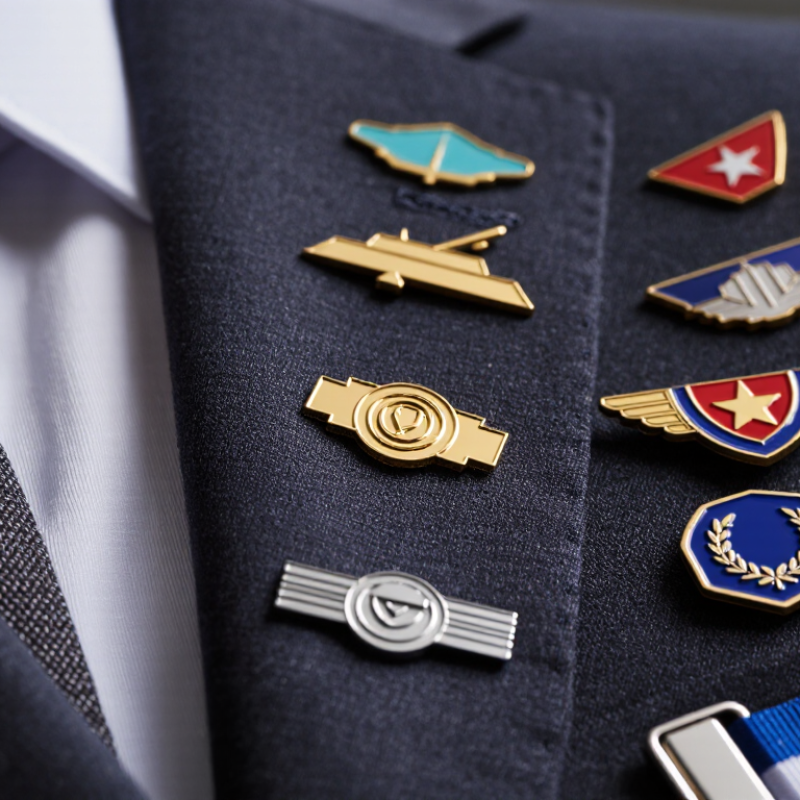
Match the pin type to the tone of the recognition. Soft enamel adds color and texture, while die-struck metal creates a cleaner, understated look. For formal service awards, a polished metal finish can feel substantial without looking busy. For team milestones, a few clear colors may make the design easier to recognize. Size matters, too. A pin around three-quarters of an inch suits most lapels, while larger designs allow room for dates or small symbols. Keep lettering brief. Fine details can disappear at a glance.

Tips: Check how the pin sits on the actual fabric. A butterfly clutch works well for many lightweight pins. A magnetic attachment avoids puncturing clothing, but may shift on thick or loose fabric. Test the clasp.

Consider where recipients will wear or store the pin. A compact pin is practical for daily wear; a larger one may work better for a display board or presentation box. I’ve found that designs that look crisp on a screen can feel crowded once made in metal. That is easy to overlook. Ask for a physical sample when possible, and check its weight, edge, color, and attachment before approving a full order. A beautiful pin that tilts or catches on a jacket may not feel like much of a reward.

Match Metal, Enamel, and Finish to the Design’s Detail and Color Needs

Choosing the right metal starts with the artwork’s smallest features. Zinc alloy suits shaped designs with fine outlines, while iron can work well for simpler, sturdy forms. Small details matter. A narrow border may disappear if the pin is too small or the metal lines are too thin.

Enamel affects both color and texture. Soft enamel leaves raised metal between colors, adding definition to bold shapes and lettering. Hard enamel creates a smoother surface, which can feel polished on a formal award. Neither option fixes an overcrowded design. If the artwork includes tiny text or close color changes, simplify it before production. I’ve seen attractive screen designs lose clarity at pin size; it is an easy mistake to miss.

The finish changes how the whole piece reads. Gold can bring warmth, while silver often gives crisp contrast against dark enamel. Antique finishes settle into recessed areas, but they may make intricate artwork look busier. Ask for a proof that shows the actual pin size, and check color samples under ordinary indoor light. Screen colors can mislead. A small adjustment to line weight or spacing may matter more than adding another color.

How to Choose the Best Awards Pins for Your Business — Match Metal, Enamel, and Finish to the Design’s Detail and Color Needs

Design Need Suitable Metal Enamel or Color Method Finish Why It Works Best Fit
Simple logo with bold shapes and a limited palette Iron or zinc alloy Soft enamel Polished gold, silver, or nickel-tone plating Raised metal borders separate the recessed enamel colors and create a defined, tactile surface. Iron is often a practical choice for straightforward designs; zinc alloy supports varied shapes. Recognition pins, team awards, and larger production runs
Clean, refined artwork with solid color areas Brass or zinc alloy Hard enamel Polished gold, silver, or nickel-tone plating The filled enamel is polished level with the raised metal lines, giving the face a smooth, even feel. This works well when a neat, durable-looking finish is important. Service awards, milestone pins, and formal presentations
Fine lettering, small symbols, or intricate line work Zinc alloy for shaped details; brass for a crisp, traditional metal look Die-struck metal, with selective enamel only where color is needed Antique gold, antique silver, or polished plating Relief and recessed areas can define detail without filling every section with color. Keep very small text and narrow gaps simple enough to reproduce clearly. Detailed crests, commemorative designs, and text-led awards
Gradients, photographic images, or color blends Zinc alloy or iron base Printed color with a clear protective coating Bright polished plating or a neutral metal-tone border Printed color can reproduce gradual transitions and image-like artwork that traditional enamel generally cannot provide as a continuous gradient. Artwork with multiple shades, fine color transitions, or complex illustrations
Dimensional artwork with sculpted surfaces Zinc alloy Raised and recessed metal detail; optional selective enamel Antique finish to emphasize recessed areas, or polished finish for contrast Zinc alloy can be formed into varied contours and relief. An antique finish highlights depth, while selective color can draw attention to chosen elements. Three-dimensional emblems, shaped mascots, and layered designs
Dark artwork or a high-contrast, modern look Iron, brass, or zinc alloy Soft enamel, hard enamel, or selective printed color Black nickel or dark antique plating A dark metal-tone finish can frame bright enamel or printed areas. Check contrast against the actual sample, since dark finishes can reduce the visibility of dark artwork. Contemporary awards and designs using bright colors against dark outlines
Minimal design where the metal itself is the main feature Brass or zinc alloy No enamel, or a small amount of selective color Polished or brushed metal-tone finish Leaving open areas unfilled puts the raised and recessed metal details in focus. A brushed surface gives a softer reflection than a polished one. Monograms, simple symbols, and understated recognition pins

Selection tip: Review a physical sample or finish swatch before placing a full order. Small text, narrow color sections, plating tone, and perceived color can vary with pin size, production method, and lighting.

Set Durability Requirements Using ASTM B117 Salt-Spray Testing

How to Choose the Best Awards Pins for Your Business

Set Durability Requirements Using ASTM B117 Salt-Spray Testing

An awards pin may look flawless under office lights, yet corrosion often starts around sharp edges, recessed lettering, or the clasp. Set durability requirements before comparing finishes. ASTM B117 describes a controlled salt-fog test using a 5% sodium chloride solution, maintained at 35°C. The standard provides test conditions, not a universal pass-or-fail duration. Ask the supplier to document the tested finish, sample preparation, exposure time, and inspection method.

Make the criteria specific to how recipients will use the pin. For example, inspect the rim, lettering, and clasp for red rust, blistering, peeling, or visible discoloration after exposure. ASTM B117 is useful for comparing coated samples under consistent conditions, but its results do not directly predict years of real-world wear. That distinction matters. A pin worn on a damp outdoor uniform faces different conditions from one kept in a presentation case. I would avoid choosing a long test duration just because it sounds tougher; without a defined acceptance limit, the number can be misleading. Request photographs and written results for the actual finish, then decide whether any corrosion is acceptable for your award.

Compare Samples, Production Timelines, and Quotes Before Ordering

A sample pin can look convincing under bright studio lights, yet feel too heavy on a jacket. Check its actual size, weight, finish, clasp, and edge quality. Run a finger across raised lines and inspect whether enamel fills look even. Small details matter. Ask for a physical sample when timing allows; a digital proof cannot show weight or texture.

Compare production timelines by stage, not just by the promised delivery date. Ask how long proof approval, manufacturing, and shipping each take. Confirm whether the schedule changes after design revisions. Build in a buffer for event dates, especially if several people must approve the artwork. A rushed approval can cause delays. I’ve seen teams focus on production speed and overlook review time; that is an easy mistake to repeat.

Request written quotes using the same pin size, quantity, materials, and finish. Check whether setup fees, individual backing cards, packaging, shipping, and revisions are included. A low unit price may not be the lowest total cost. Ask what happens if a delivered batch differs from the approved sample, and keep the proof with your order records. Compare the details, not just the headline number.

How to Choose the Best Awards Pins for Your Business

Compare physical samples, production timelines, and complete quotes before placing an order.

Suggested buyer-defined scorecard weights—not industry statistics. Adjust them to fit your priorities, then score each supplier using the same criteria. Check sample quality and finish, confirm the production schedule, and compare quotes at the same quantity and specification.

FAQS

What should a business decide before ordering award pins?

Define the occasion, recipient, and budget first. A ten-year service award may need a different feel than a conference giveaway. Include packaging and delivery in the per-pin budget.

How can a team choose a suitable pin design?

Match the design to the recognition. A polished metal finish can suit formal service awards, while a few clear colors can mark a team milestone. Keep lettering brief; tiny details may disappear.

What pin size works well for everyday wear?

A pin around three-quarters of an inch often suits a lapel. Larger designs allow room for dates or symbols, but can feel heavy on light fabric. Test the weight.

Which attachment should we choose?

A butterfly clutch works for many lightweight pins. A magnetic attachment avoids puncturing fabric, but may shift on thick or loose clothing. Test the clasp on the actual garment.

Why request a physical sample before approving an order?

A sample reveals weight, edge quality, color contrast, and clasp strength. Check raised lines with a finger and look for even enamel fills. Small details matter.

What should we check in a production timeline?

Ask how long proof approval, manufacturing, and shipping each take. Allow extra time for revisions and several reviewers. A promised delivery date alone may not tell the whole story.

How should we compare quotes from different suppliers?

Use the same size, quantity, materials, and finish for each quote. Check setup fees, backing cards, packaging, shipping, and revisions. A low unit price may hide extra costs.

What can go wrong even with attractive artwork?

A design can look crisp onscreen but feel crowded in metal. A pin may also tilt or catch on a jacket. I’ve seen teams overlook wearability; it is easy to repeat that mistake.

Conclusion

Choosing the right Awards Pins starts with a clear recognition goal. Consider whether the pins will celebrate employees, mark milestones, or support an event, and how they fit into the broader promotional products market, valued at $25.5 billion in 2023. The occasion and audience can guide decisions about pin type, size, and attachment, ensuring each pin is comfortable to wear, easy to display, and appropriate for the setting.

Next, match the metal, enamel, and finish to the artwork’s colors and level of detail. For pins expected to face frequent wear or challenging conditions, ask about durability and ASTM B117 salt-spray testing, which can help assess corrosion resistance. Before placing an order, review physical samples, confirm production timelines, and compare detailed quotes. Checking these elements together helps you balance appearance, longevity, schedule, and budget while selecting pins that make recognition feel meaningful.

Mason

Mason

Mason is a seasoned marketing professional with a deep expertise in the company's offerings and a passion for driving brand awareness. With a strong background in digital marketing strategies, he has an innate ability to connect with diverse audiences and effectively communicate product benefits.......