
How to Customize Medal Coins for Global Buyers?

Time:2026-09-30 Author:Liam
0%

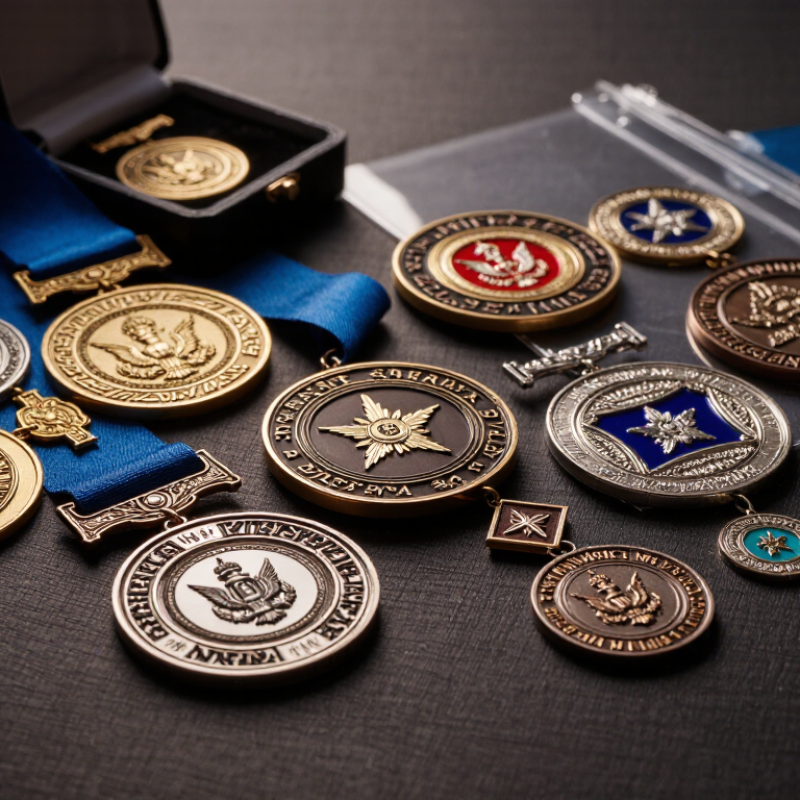
Designing a medal coin for international buyers requires more than attractive artwork. It requires careful communication, accurate specifications, and respect for different markets. When you Customize Medal Coin products, every detail should support the buyer’s purpose, budget, and delivery expectations.

A reliable process begins with the coin’s story. Is it for a sports event, corporate achievement, school ceremony, or public campaign? The answer influences the shape, diameter, relief depth, metal choice, and finish. A 50-millimeter antique bronze coin may suit a heritage event, while a polished gold-tone coin may better match a formal award ceremony. Clear vector artwork, readable lettering, and balanced relief help prevent costly production mistakes.

Material matters too. Professional suppliers should explain plating options, surface treatments, edge designs, and protective packaging. They should also provide digital proofs, physical samples when practical, and honest timelines. Buyers need clear information about quantities, shipping documents, product testing, and applicable import requirements. Requirements differ across countries, so assumptions can create avoidable delays.

Small oversights can become expensive. A logo may look sharp on screen but lose detail after casting. A ribbon attachment may also feel too weak for repeated handling. This is where experience becomes valuable: review the design from both a manufacturer’s and recipient’s perspective. Ask direct questions, record approvals, and keep every specification in writing.

Not every project goes perfectly. Sometimes the first sample needs revision. That is normal, not failure. With transparent guidance and thoughtful quality control, global buyers can receive medal coins that feel meaningful, durable, and professionally made.
How to Customize Medal Coins for Global Buyers?

Define the Brief: Set the Medal’s Purpose, Audience, Quantity, and Size

Before requesting a quote, define the medal’s purpose. Is it for a school race, employee milestone, cultural event, or collector release? Purpose controls the symbol, finish, edge text, and packaging. A youth event may need bright colors and easy-to-read lettering. A formal recognition piece may suit restrained metal tones. Keep the message clear. Vague briefs create expensive revisions.

Describe the audience with practical detail. Include age range, clothing, activity, and expected viewing distance. A runner wearing the medal needs a secure ribbon and comfortable weight. A collector may value fine relief and a numbered edge. State the quantity honestly, even if the figure is estimated. Small batches can require different tooling decisions than large orders. Ask about sampling, mold charges, and production tolerance. I have found that a beautiful sketch can still fail when tiny text disappears after plating.

Set dimensions in millimeters, not “small” or “large.” Give diameter, thickness, hole position, and approximate weight. A 50 mm coin feels substantial, while a thin 32 mm piece travels more easily. Check the size against the ribbon, display box, and shipping method. Leave room for a proof review. Be specific. The first version may look too crowded. That is useful feedback, not a disaster. Confirm artwork ownership, material description, color references, and inspection photos in writing. Clear records help global buyers compare samples and reduce misunderstandings across languages and time zones.

Select Alloys by Density: Copper 8.96 vs. Zinc 7.14 g/cm³

When customizing medal coins for global buyers, alloy density affects both appearance and hand feel. Copper has a density of about 8.96 g/cm³, while zinc measures about 7.14 g/cm³. A copper-based coin therefore feels heavier at the same size. This difference is noticeable during packaging checks and customer handling.

The U.S. Geological Survey reported approximately 22 million metric tons of global mined copper production in 2024. Its Mineral Commodity Summaries also estimated global zinc mine production near 12 million metric tons. These figures show the industrial importance of both metals, but supply volume does not determine medal quality. Alloy purity, casting porosity, plating thickness, and machining tolerance still require inspection.

For a 40 mm coin with equal volume, the copper version may feel roughly 25% heavier than the zinc version. That estimate assumes pure metals, which is rarely realistic in manufacturing. Copper alloys can include tin or nickel, while zinc alloys often contain aluminum and magnesium. Their densities change slightly. A common mistake is choosing only by price. It can create a coin that looks correct but feels unexpectedly light. Weigh test pieces, measure diameter and thickness, then compare the results with the approved specification. Density calculations help, but they should not replace physical sampling and documented quality checks.

How to Customize Medal Coins for Global Buyers?

Compare alloy density when choosing a medal’s material.

Copper has a density of 8.96 g/cm³, while zinc is 7.14 g/cm³. At the same volume, a copper medal will weigh about 25.5% more than a zinc medal.

Prepare the Design: Specify Relief, Edge, Color, and Vector Artwork

A useful medal coin brief begins with relief. Mark which details should rise and which should sit below the surface. Give the main symbol the strongest height, while keeping tiny lettering shallow and readable. A sketch with arrows can prevent costly interpretation errors. Small details matter. Specify the coin’s finished diameter and review relief against that scale, not only on a large screen.

Describe the edge in plain terms: smooth, reeded, or patterned, with a reference image if possible. Edge texture changes the coin’s feel and appearance, so check that it suits the design and intended handling. For color, identify each area clearly and provide a reliable color reference. A printed reference or physical sample can help, though metal tone and surface finish may shift the final result. Keep it clear.

Send artwork as vector files, such as AI, EPS, or SVG, with fonts converted to outlines and paths closed where needed. Separate colors and label raised, recessed, and cutout areas on a production drawing. Ask the maker to confirm minimum line widths before approval; fine strokes can disappear after reduction. Even with a careful file, the first proof may look flatter than expected. Screen previews are imperfect, and that is worth remembering. Compare the proof at actual size before signing off.

Choose Production Methods: Compare Die Striking, Casting, Plating, and Enamel

How to Customize Medal Coins for Global Buyers?

Choose Production Methods: Compare Die Striking, Casting, Plating, and Enamel

Production method shapes a medal coin’s look, feel, and cost. Die striking presses metal between engraved dies, creating crisp details and a solid, traditional finish. It works well for bold lettering and repeat orders. Casting pours molten metal into a mold, allowing deeper relief and more sculptural shapes. Fine edges may look softer, though, so review a sample before approving intricate artwork.

Plating changes the surface color, such as gold, silver, or antique bronze. Ask about the base metal, finish thickness, and expected handling, since surface wear can vary. Enamel adds vivid color to recessed areas. Hard enamel feels smooth; soft enamel leaves raised metal lines. Use fewer colors when tiny details might blur. For international orders, confirm artwork scale, color references, and packaging needs early. A proof can catch issues, but it may not show every finish detail.

Tips: Request a physical sample when possible. Compare its weight, edge, color, and relief with your design. One lesson from sampling: the “best” finish is not always the most elaborate. Simpler details sometimes read better in hand.

Approve Quality and Delivery: Check Samples, Packaging, and Import Rules

How to Customize Medal Coins for Global Buyers?

A medal coin should look right before production begins. Request a pre-production sample with the final metal, size, weight, plating, and artwork. Check the edge closely. Fine lettering can disappear after polishing. Test the clasp, ribbon, or presentation box if included. I have learned that a perfect digital design may fail on a small coin. Physical approval matters more.

Packaging protects both quality and delivery schedules. Ask for individual sleeves, foam separation, and strong export cartons. Inspect one packed carton for movement, moisture, and corner damage. A simple drop test can reveal weak packing. Record carton dimensions, gross weight, and packing quantities before shipment. These details help freight planning and customs paperwork. Delivery estimates should include production time, inspection, and a realistic transport buffer.

Tips: Confirm the material description, country of origin, tariff classification, and required labels with the destination’s official customs authority. Rules can differ by country and product use. Keep approved samples, inspection photos, invoices, and packing lists together. Ask suppliers to report changes before production, even small changes in plating or packaging. My early checks were too optimistic; I once focused on appearance and overlooked carton weight. That mistake could have increased shipping costs. When requirements are unclear, use a qualified customs professional instead of guessing.

How to Customize Medal Coins for Global Buyers? — Approve Quality and Delivery: Check Samples, Packaging, and Import Rules
Stage What to Confirm Practical Checks and Records Packaging or Import Considerations
Design specification Confirm the coin’s diameter, thickness, shape, base metal, edge style, relief, colors, finish, and attachment requirements. Approve a dimensioned artwork proof. Specify units, tolerances, front and back details, and any ribbon, pin, or key ring. Provide the final artwork and product description consistently on purchase documents and shipping paperwork.
Pre-production sample Review an approved sample before authorizing the full production run. Check size, weight, design alignment, lettering, color, surface finish, edges, and attachment strength. Keep a dated, signed reference sample or clear approval record. Agree in writing whether the sample is representative of the final material, plating, color, and packaging.
Material and finish Verify that the material and finish match the agreed specification; common coin materials include zinc alloy, brass, and iron. Request material declarations or suitable test reports where needed. For plated finishes, define the required appearance and any agreed coating-thickness test method. Check destination-market restrictions or documentation requirements for the actual materials, coatings, and intended use.
Production inspection Set acceptance criteria before production, including the handling of defects and inspection timing. Inspect a representative sample for scratches, pits, burrs, plating defects, missing details, color variation, and loose attachments. Record results and photographs. Agree whether inspection takes place before packing, and how rejected or reworked items will be handled.
Packaging Choose protection suited to the finish and shipping method, such as individual sleeves, protective inserts, or presentation boxes. Confirm units per inner pack and carton, carton dimensions, gross weight, and packing method. Check that coins cannot rub against one another in transit. If solid-wood packaging is used for international shipment, check whether it must comply with ISPM 15 requirements for the destination and route.
Shipping documents Match the shipment details to the order and the goods actually packed. Check the commercial invoice and packing list for accurate descriptions, quantities, values, weights, and country-of-origin information. Confirm which transport documents and origin documents are required for the chosen shipping method and destination.
Customs classification and duties Determine the correct tariff classification for the finished medal coin with the destination country’s customs authority or a qualified customs professional. Prepare a clear product description stating the item’s material, construction, and intended use; do not rely on a generic code without verification. Import duties, taxes, classification, and any permits vary by destination and product details. Confirm applicable requirements before dispatch.
Delivery approval Agree on the delivery term, shipping method, lead-time milestones, and who is responsible for import clearance and charges. Track production approval, inspection, dispatch, and delivery dates. Retain the approved sample, inspection record, invoice, and packing list. Import obligations depend on the destination, materials, intended use, and applicable local rules. Verify current requirements before placing the order.

FAQS

What details should a medal brief include?

Define the purpose, audience, quantity, size, finish, edge text, and packaging. Use millimeters, not vague terms like “large.” A clear brief prevents costly revisions. Small details matter.

How should the audience influence the design?

Consider age, clothing, activity, and viewing distance. A runner needs a secure ribbon and comfortable weight. A collector may prefer fine relief or numbered edges. The first idea may still need adjustment.

Which measurements should buyers provide?

State diameter, thickness, hole position, and approximate weight. Check the medal against its ribbon, display box, and shipping method. A 50-millimeter piece feels substantial. A thinner 32-millimeter piece travels more easily.

How do copper and zinc affect medal weight?

Copper is denser than zinc, so equal-sized copper pieces usually feel heavier. Copper measures about 8.96 grams per cubic centimeter. Zinc measures about 7.14. Density is only an estimate.

Can buyers choose materials by price alone?

Price alone can produce an unexpectedly light medal. Alloy composition, porosity, plating, and machining also affect quality. Weigh test pieces and measure their dimensions. Physical samples tell the truth better.

What should a pre-production sample include?

Request the final metal, size, weight, plating, and artwork. Inspect fine lettering, edges, clasps, ribbons, and boxes. Tiny text may disappear after polishing. Digital previews can mislead.

How can packaging reduce delivery problems?

Use individual sleeves, foam separation, and strong export cartons. Inspect one packed carton for movement, moisture, and corner damage. Record carton size, gross weight, and packing quantity. I once overlooked carton weight. That was careless.

Which documents should global buyers confirm?

Confirm material descriptions, origin information, tariff classification, and required labels. Check destination requirements with the relevant official customs authority. Keep approved samples, inspection photos, invoices, and packing lists together. Do not guess when rules seem unclear.

Conclusion

To Customize Medal Coin successfully for global buyers, begin with a clear production brief. Define the medal’s purpose, target audience, order quantity, and preferred dimensions before discussing materials. Alloy selection affects both appearance and shipping weight, so compare density carefully: copper is approximately 8.96 g/cm³, while zinc is about 7.14 g/cm³. A complete design file should also identify the relief depth, edge style, surface colors, finishes, and provide editable vector artwork for accurate production.

Next, select the manufacturing process according to the design and budget. Die striking suits crisp details, casting supports more complex shapes, plating creates controlled surface finishes, and enamel adds colored visual elements. Before approving the order, review physical samples for weight, detail, color, and finish consistency. Confirm protective packaging, labeling, delivery schedules, and the import requirements of the destination market. Clear communication and systematic inspection help ensure that every medal coin arrives safely and matches the approved specifications.

Liam

Liam

Liam is a dedicated marketing professional with a profound expertise in the industry, where he excels at highlighting the unique advantages of our core products. With a keen understanding of market trends and consumer needs, Liam frequently updates our company’s professional blog, providing......