
Top 10 Types of Challenge Coins for Global Buyers

Time:2026-09-15 Author:Amelia
0%

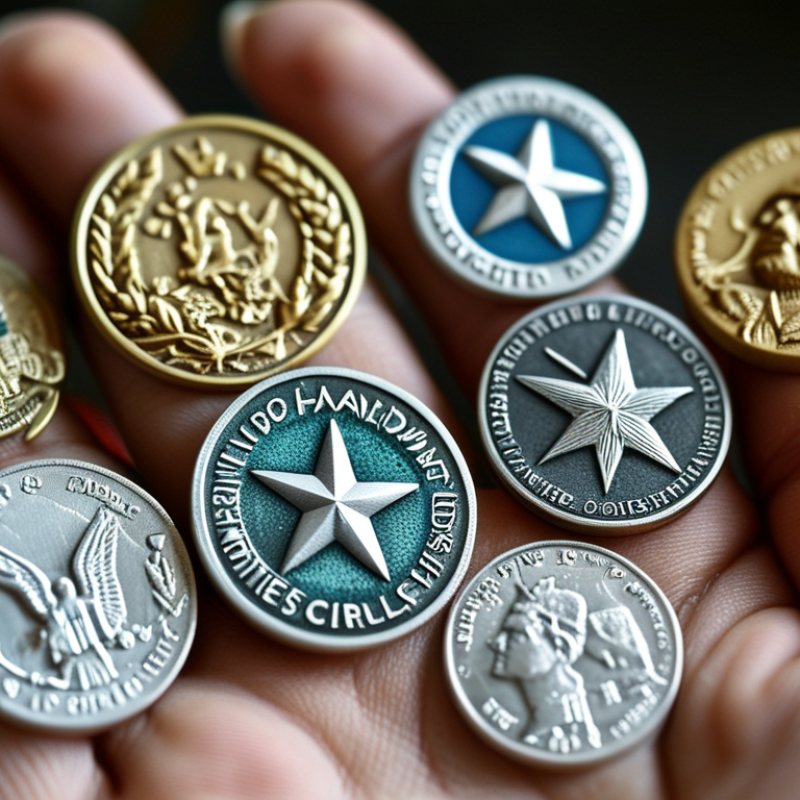
For global buyers, Challenge Coins are more than small metal souvenirs. They can represent military units, public agencies, corporate teams, charitable causes, or memorable events. Their meaning often depends on design accuracy, production quality, and the story behind each emblem. A coin held in the hand should feel balanced, with clear lettering, consistent color, and edges that do not feel sharp.

This guide examines the Top 10 Types of Challenge Coins and explains where each type fits best. It considers common materials, finishes, shapes, sizes, and customization options. Buyers can compare antique finishes, soft enamel colors, hard enamel surfaces, 3D reliefs, and spinner designs. Details matter. A raised logo may look impressive in a sample but lose clarity when scaled down. That mistake is easy to miss.

Reliable purchasing also requires careful supplier communication. Confirm artwork proofs, metal specifications, plating choices, packaging, production timelines, and quality checks before approval. Experience shows that the cheapest quotation is not always the most dependable option. Small differences in engraving depth can affect the final appearance. Shipping conditions and regional import requirements also deserve attention, even when the product seems simple.

No guide covers every preference. Some recommendations may need adjustment. However, a practical comparison can help buyers make informed decisions, reduce avoidable revisions, and select Challenge Coins that remain meaningful long after delivery. Quality should be visible. Purpose should be clear.
Top 10 Types of Challenge Coins for Global Buyers

Challenge Coins: Definition, Purpose, and Global Market Role

Challenge coins are small, customized medallions used to recognize service, achievement, membership, or shared identity. Their purpose is symbolic rather than financial. A coin may mark a completed mission, a training milestone, or a decade of professional service. It often carries an emblem, date, motto, or local reference. The strongest designs communicate meaning without overcrowding the surface.

The global market includes military, emergency service, corporate, sports, association, commemorative, academic, hospitality, tourism, and event coins. Each type serves a different audience. Buyers should confirm dimensions, metal composition, plating, edge style, enamel color, and packaging before ordering. A sample proof can reveal tiny lettering, uneven relief, or color differences that digital artwork hides. Small details matter. Experienced purchasers also check production timelines, inspection procedures, and shipping documents. These steps support reliable international procurement without depending on attractive images alone.

Challenge coins also connect local traditions with global manufacturing. A public-service coin may use a regional symbol, while an international event coin may require neutral imagery and multilingual text. Cultural review is essential because colors, animals, and gestures can carry different meanings. Even careful buyers make mistakes. A beautiful design may still feel too generic, too heavy, or difficult to carry. Material claims should be verified, not assumed. Clear specifications, realistic samples, and honest communication help buyers judge quality and purpose more accurately.

Military and Veterans’ Challenge Coins

Military and Veterans’ Challenge Coins

Military and veterans’ challenge coins carry stories that standard souvenirs rarely express. A unit coin may show an emblem, service dates, and a motto. Deployment coins often include a location, mission period, or symbolic landscape. Veteran association coins can honor shared service without copying official insignia.

For global buyers, accurate details matter. Confirm the recipient’s service branch, rank, unit history, and approved wording before production. Small errors can feel disrespectful. They may also create costly rework.

A practical design uses readable lettering, balanced relief, and durable metal plating. Test a physical sample under natural light. Fine lines may disappear after polishing.

The strongest coins feel personal, not merely expensive. A memorial coin might use a subdued finish, a meaningful date, and space for a name. A recognition coin could include a rescue symbol, aircraft outline, or field equipment detail, if the imagery is historically appropriate. Keep symbolism clear. Too many elements weaken the message.

Reliable suppliers should explain alloy options, dimensions, plating, color methods, packaging, and inspection steps. Buyers should request production drawings and review every translated phrase. International orders also need clear invoices, shipping terms, and lawful customs documentation. Avoid unverified claims of military endorsement. That point deserves care. A beautifully made coin cannot correct inaccurate history or unauthorized representation.

Law Enforcement and Emergency Service Challenge Coins

Law enforcement and emergency service challenge coins carry more than a unit emblem. They mark service, teamwork, and difficult moments remembered after a shift ends. For global buyers, the strongest designs use clear symbols, readable lettering, and durable metal finishes. A coin should feel substantial in the palm, not overly decorative.

The National Fire Protection Association reported 1,504,500 fires in the United States during 2023. That year included 3,790 civilian deaths and 16,950 injuries. These figures show why recognition items should respect real service, not imitate danger. Firefighter coins often feature ladders, helmets, dispatch dates, or station numbers. Law enforcement coins may use badges, patrol divisions, or public-safety messages. Symbols must be reviewed carefully across cultures and jurisdictions.

The Bureau of Justice Statistics counted 17,985 state and local law enforcement agencies in its 2018 census. This scale creates varied purchasing needs. Some agencies require serialized coins for formal presentations. Others prefer smaller runs for retirements, training milestones, or interagency cooperation. Experienced buyers should request metal composition, plating details, edge treatment, and sample photographs before approval. A raised rim can protect fine lettering during daily handling. Soft enamel often improves color contrast, but it may wear sooner in harsh environments.

Small details matter. A polished coin can still miss its purpose. I have seen designs become crowded with dates, mottos, and multiple insignias. That mistake is easy to make. Procurement teams should confirm authorization, translations, and emblem accuracy before production. A final review by serving personnel is often more valuable than another decorative effect.

Corporate, Institutional, and Event-Based Challenge Coins

Top 10 Types of Challenge Coins for Global Buyers

Corporate, institutional, and event-based challenge coins serve different relationship goals. The ten strongest categories include employee recognition, service milestones, leadership awards, partner appreciation, donor gifts, academic achievements, volunteer service, conference participation, product launches, and company anniversaries. Each type should carry a clear purpose. A raised emblem, engraved date, and recipient name can turn a small metal piece into a lasting memory.

The 2023 Promotional Products Association International Consumer Study reported that 83% of recipients enjoyed receiving promotional products. It also found that many recipients kept useful items for a year or longer. This supports practical coin designs, not decorative clutter.

Corporate buyers may choose a numbered coin for a five-year milestone. Institutions can add a motto, founding year, or department symbol. Event organizers often need lighter designs, compact packaging, and consistent quantities.

Event demand also deserves attention. The 2024 UFI Global Exhibition Barometer reported continued growth expectations across major exhibition markets. Coins can reinforce that temporary experience after attendees return home.

However, buyers should verify artwork, metal composition, plating, packaging, and delivery schedules before approval. Details matter. A bilingual inscription may improve international use, but translations still need human review.

The imperfect truth is that more symbols do not always create more meaning. I would remove any element that cannot be explained in one sentence.

Custom Design, Materials, and Buying Considerations for Global Buyers

Top 10 Types of Challenge Coins for Global Buyers

The ten common types include military, police, firefighter, corporate, sports, commemorative, event, nonprofit, award, and membership coins. Each type needs a different visual hierarchy. A service coin may require rank details, dates, and symbolic emblems. A corporate coin often benefits from cleaner lettering and restrained colors. I have found that designs with fewer than four main elements remain clearer after molding and plating.

Material selection affects weight, color, durability, and landed cost. Zinc alloy supports deep relief and complex edges. Brass feels warmer and heavier, while iron offers a lower-cost, industrial appearance. The U.S. Geological Survey reported about 22 million metric tons of global copper mine production in 2023. That figure does not determine coin pricing, but it shows why metal supply deserves attention. Gold plating also needs caution. The World Gold Council recorded 4,974.5 tonnes of total gold demand in 2024, with strong price pressure. Gold-colored plating is not solid gold.

Ask for a physical sample, plating specifications, alloy details, edge style, and color-proof approval. Check lettering under normal indoor light. Tiny text can fail. Request production tolerances and packaging dimensions before ordering internationally. Confirm carton weight, customs documents, payment protection, and a realistic inspection window. I still see buyers approve attractive digital renders too quickly. That is a costly lesson. A better process compares the approved sample with the final batch, including relief depth, surface scratches, enamel fill, and alignment.

FAQS

What details should be confirmed before producing a military or veteran challenge coin?

Confirm the recipient’s branch, rank, unit history, service dates, and approved wording. Small errors may feel disrespectful. Review everything twice.

How can a memorial challenge coin express personal meaning?

Use a meaningful date, a recipient’s name, and a subdued metal finish. Leave enough space for readable lettering. Less can feel stronger.

What design features improve a challenge coin’s durability?

Choose balanced relief, a raised rim, and suitable metal plating. Test a physical sample under natural light. Fine lines may disappear after polishing.

What symbols work well for emergency service recognition coins?

Consider ladders, helmets, station numbers, rescue symbols, or dispatch dates. Check cultural and local meaning before approval. Symbols need context.

How should agencies choose between small and large coin orders?

Smaller runs suit retirements, training milestones, and special presentations. Larger orders may support conferences or broad recognition programs. Quantity should match purpose.

What information should buyers request from a supplier?

Request alloy options, dimensions, plating methods, edge treatment, packaging, and inspection steps. Ask for production drawings and sample photographs. Details prevent surprises.

How can corporate or institutional coins feel less generic?

Add a recipient name, milestone date, department symbol, or founding year. A numbered coin can mark a five-year achievement. Avoid decorative clutter.

What should international buyers check before approving an order?

Review translated phrases, invoices, shipping terms, and lawful customs documents. Confirm delivery schedules and packaging details. Human review remains necessary.

Can bilingual inscriptions improve challenge coins for international events?

Yes, bilingual wording can support wider understanding and stronger memories. However, translations may still sound awkward. Ask a fluent reviewer.

What common design mistake should buyers reconsider?

Crowding the coin with dates, mottos, and multiple insignias weakens the message. Remove any element that cannot be explained clearly. That is harder than it sounds.

Conclusion

Challenge Coins are small, meaningful tokens used to recognize achievement, service, membership, loyalty, or participation. This article explores the top 10 types of Challenge Coins, beginning with their definition, purpose, and role in the global market. It explains how military and veterans’ coins can honor service and shared experience, while law enforcement and emergency service coins can recognize courage, teamwork, and professional dedication. It also introduces corporate, institutional, and event-based coins designed for awards, commemorations, employee appreciation, and special occasions.

For global buyers, the article highlights the importance of custom design, including shape, artwork, finish, size, thickness, and color. It also compares common material choices and explains how order quantity, production timelines, packaging, quality control, and shipping requirements can influence purchasing decisions. By considering both symbolism and practical specifications, buyers can select Challenge Coins that are durable, visually distinctive, respectful of their intended purpose, and suitable for different audiences and events worldwide.

Amelia

Amelia

Amelia is a seasoned marketing professional with a wealth of expertise in our company’s core offerings. With an unwavering passion for driving growth and innovation, she plays a pivotal role in shaping our marketing strategies and enhancing brand visibility. A key aspect of her responsibilities......