
Top 10 Trading Pins Suppliers for Global Buyers

Time:2026-10-05 Author:Sophia
0%

Global buyers need more than attractive samples when choosing Trading Pins suppliers. They need dependable production, clear communication, and realistic delivery commitments. A polished enamel pin may look simple, yet its quality depends on mold accuracy, metal thickness, plating, color control, and inspection standards.

Laura Kim, a trading-pin sourcing consultant with experience in custom merchandise procurement, says, “A strong supplier protects both the design and the buyer’s reputation.” This principle matters when products represent schools, sports clubs, museums, brands, or international events. Small defects can become highly visible when hundreds of pins are exchanged publicly.

This guide examines ten Trading Pins suppliers serving global buyers. It considers product customization, minimum order quantities, sample procedures, packaging, export experience, and after-sales support. It also reviews practical details, such as whether a supplier confirms Pantone colors before production and explains shipping delays before they become problems.

The cheapest quote is not always the safest choice. Sometimes, it hides weaker plating or limited quality control. Buyers should ask difficult questions early.

That step saves trouble.

The comparison is not perfect. Supplier information can change, and online presentations may not reveal every factory limitation. Therefore, buyers should request current samples, written specifications, production photographs, and verified references before placing large orders. A careful decision balances price, craftsmanship, transparency, and communication. This introduction offers a practical starting point for companies seeking reliable Trading Pins suppliers across international markets.
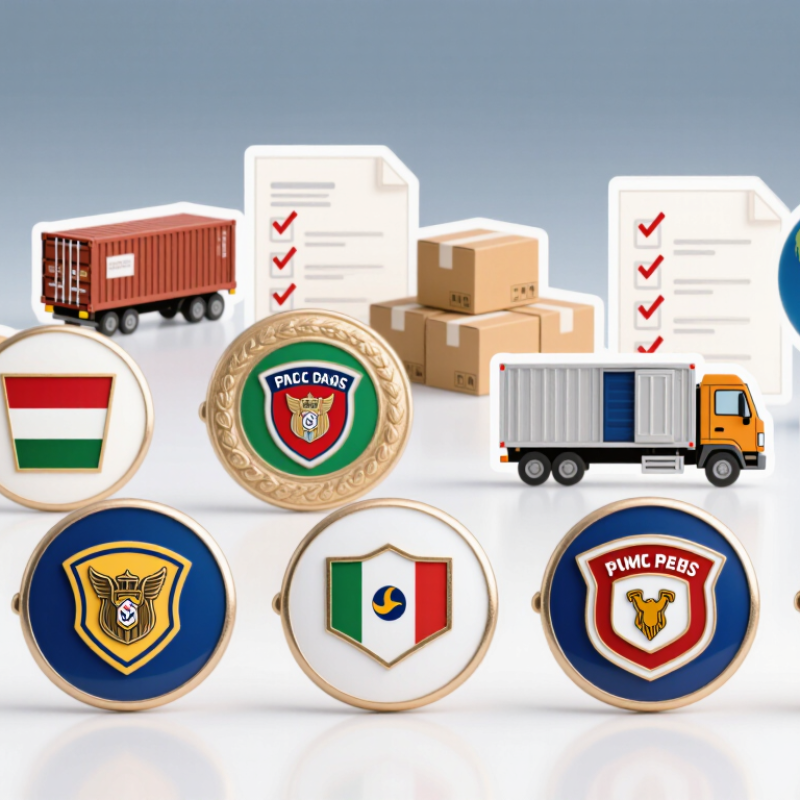
Top 10 Trading Pins Suppliers for Global Buyers

What Trading Pins Are and Why Global Buyers Need Reliable Suppliers

Trading pins are small collectible badges made from metal, enamel, or durable printed materials. They often mark events, clubs, teams, destinations, or personal achievements. Their compact size makes them easy to exchange, display, and ship. However, a pin is more than decoration. Its finish, fastening method, and packaging influence how buyers judge its value.

Global buyers need reliable suppliers because orders often cross long distances and multiple quality checks. A dependable supplier explains metal options, enamel depth, plating, artwork limits, and production timelines before payment. They should provide clear samples and confirm color details in writing. Quality can still vary between samples and bulk production. That is an uncomfortable risk. Buyers should request pre-production approval, inspect random units, and keep communication records. A supplier’s ability to discuss defects honestly is often more valuable than a low quotation.

Tips: Ask about minimum order quantities, sample fees, packaging, and replacement policies. Check whether the supplier can maintain consistent colors across repeated orders. Request photos under natural light. Confirm carton dimensions before shipping. Avoid vague promises such as “premium quality” without measurable details. A practical checklist helps, though it cannot replace inspection. Small mistakes, like a loose clutch or scratched surface, can damage an otherwise strong product launch. Reliable sourcing requires patience, documented standards, and room for correction.

Common Trading Pin Sizes for Global Buyers

Trading pins are usually specified by their longest dimension. This reference chart converts commonly requested pin sizes from inches to millimeters, helping global buyers compare supplier quotations, product specifications, packaging requirements, and shipping plans consistently.

Key Criteria for Evaluating Trading Pin Manufacturers and Exporters

Top 10 Trading Pins Suppliers for Global Buyers

Key Criteria for Evaluating Trading Pin Manufacturers and Exporters

A dependable trading pin supplier should prove consistency before discussing price. Request a physical sample, not only digital artwork. Inspect edge smoothness, clasp strength, plating uniformity, and enamel depth under bright light. Ask for a pre-production approval sample. Small defects become expensive across large orders.

Quality systems matter. The ISO Survey recorded more than 1.2 million ISO 9001 certificates worldwide in 2022. Certification does not guarantee perfect pins, but it suggests documented processes. Ask how suppliers record color tolerances, mold revisions, inspection results, and rejected units. Reliable exporters should provide batch photos and clear replacement terms. Do they?

Export performance also deserves practical testing. The World Bank’s 2023 Logistics Performance Index assessed 139 economies across customs, infrastructure, and shipment reliability. A supplier should explain its freight options, carton measurements, tracking process, and realistic production schedule. Request recent shipping references with sensitive details removed. Cheap delivery can hide weak packaging or poor planning.

Responsible sourcing requires deeper questions. Review material declarations, workplace policies, and subcontracting controls. OECD due diligence guidance supports risk-based checks across supply chains. In practice, paperwork may look impressive while factory communication remains slow. I would test one modest order before committing to a global launch. That choice is less glamorous, but often more revealing.

Top 10 Trading Pins Suppliers and Their Main Product Strengths

For global buyers, the top ten trading pin suppliers differ mainly in product strengths. Custom hard enamel suppliers deliver smooth surfaces, sharp lines, and polished color blocks. Soft enamel specialists offer deeper texture and lower production costs. Die-struck makers suit historical designs with raised metal details and minimal color. Soft PVC suppliers handle playful shapes, flexible edges, and outdoor event themes. Embroidered pin producers create a fabric-like appearance with visible thread depth. Glitter-focused suppliers add sparkle without changing the main silhouette.

Three-dimensional suppliers are stronger at layered logos, miniature tools, and sculpted figures. Recycled-metal suppliers support buyers seeking lower-impact material choices, though finish consistency needs checking. Small-batch workshops are useful for testing 50 to 200 pieces before a larger order. Premium packaging suppliers improve presentation with backing cards, foam inserts, and individually sealed units. Fast-turnaround suppliers help with tight event schedules, but speed may reduce sampling time.

Experienced buyers should request a physical sample, plating reference, color chart, and size confirmation. Ask about mold fees, tolerance ranges, inspection steps, and replacement policies. Product photos can hide uneven edges. They often do. I have found that a beautifully rendered design may lose detail at 25 millimeters. Clear artwork matters, but production feedback matters more. A dependable supplier explains these limits early and records every approved change. Shipping documents, carton labels, and destination requirements also deserve careful review. Mistakes happen. Good suppliers make them visible before dispatch.

Supplier Comparison by Quality, Customization, Pricing, and Minimum Orders

Top 10 Trading Pins Suppliers for Global Buyers

Our comparison of ten trading pin suppliers focuses on quality, customization, pricing, and minimum orders. Quality depends on metal thickness, enamel filling, plating consistency, and secure rubber or butterfly backs. Experienced buyers should request physical samples before approving large production. A sharp logo may look different after molding. That small gap matters.

Customization varies widely. Most suppliers offer soft enamel, hard enamel, die-struck metal, glitter, glow effects, and numbered designs. Some support detailed packaging, card mounting, and individually packed pins.

Pricing usually falls with larger quantities, but complex molds and special finishes increase costs. Minimum orders may range from 50 to 500 pieces. Delivery reliability also deserves attention, especially when buyers need event-ready stock.

Tips: Ask for a digital proof and one finished sample. Confirm color references, backing type, packaging, shipping terms, and remake policies in writing. Compare the full landed cost, not only the unit price. A low quote can hide mold fees or expensive shipping. Our scoring is practical, but not perfect; supplier performance can change between batches. Keep approval records, inspect the first shipment, and leave enough time for corrections.

Steps for Selecting, Ordering, and Importing Trading Pins Internationally

Selecting among the top 10 trading pin suppliers starts with a clear product brief.

Define metal type, size, plating, attachment, artwork, and target quantity. Ask each supplier for a physical sample, not only digital mockups. Check edge sharpness, clasp strength, color accuracy, and packaging. The cheap quote can look clever, but it may hide mold fees, weak quality control, or costly revisions.

ASI’S 2023 AD IMPRESSIONS STUDY reports that 85% of consumers remember the advertiser on a promotional product, so durability affects more than appearance.

Ordering internationally requires written specifications and a controlled approval process.

Request a pre-production sample, confirm lead time, and separate product cost from tooling, packaging, freight, insurance, and taxes. A purchase order should state acceptable defects, inspection timing, payment milestones, and remedies for late delivery.

Keep artwork in editable and print-ready formats. Small details matter. Confirm the pin’s final packed weight.

Tips:

Compare landed cost, not unit price. Use a third-party inspection when the order is large. Ask for carton dimensions before shipping.

For importing, verify the correct HS classification with a customs broker, because classification and duty rates vary by material and destination. Check commercial invoices, packing lists, origin details, and transport documents before dispatch.

DHL’s 2024 E-Commerce Trends Report highlights delivery transparency as a major buyer expectation, yet international tracking can still be incomplete. Build extra time into customs clearance.

I would not promise a perfect schedule; ports, inspections, and missing documents can disrupt even careful plans.

FAQS

How can I evaluate a trading pin supplier before ordering?

Request a physical sample, not only digital artwork. Inspect smooth edges, clasp strength, plating, and enamel depth under bright light. Small defects matter. Ask for batch photos and replacement terms. A polished sales process does not prove factory consistency.

Why is a pre-production sample important?

It confirms the approved artwork before mass production begins. Check colors, dimensions, attachment placement, and surface finish. Compare it with the final specification. I might still miss a tiny flaw, so keep inspection records.

What quality details should I ask the supplier to document?

Ask about color tolerances, mold revisions, inspection results, and rejected units. Request clear acceptance standards for scratches, bubbles, and uneven plating. Document everything. Verbal promises become difficult to verify later.

Does quality certification guarantee excellent trading pins?

No certification guarantees perfect products. It may show that documented procedures exist. Ask how workers record inspections and correct recurring defects. The paperwork can look impressive while communication remains slow.

How should I compare international shipping options?

Request freight methods, carton dimensions, packed weight, tracking details, and realistic production dates. Check whether packaging protects delicate surfaces and clasps. Cheap freight can hide weak planning. Build extra time for customs delays.

What costs should be included in my comparison?

Compare the landed cost, not only the unit price. Include tooling, packaging, freight, insurance, taxes, and possible revision charges. Ask whether mold fees are separate. A low quote may become expensive later.

Which documents should I check before importing?

Review the commercial invoice, packing list, origin information, and transport documents. Confirm the product classification with a qualified customs professional. Duty rates vary by material and destination. Missing paperwork can delay clearance.

How can I reduce risks when placing a large order?

Start with a modest test order when possible. Use written specifications and staged approvals. Consider independent inspection for larger quantities. No plan is flawless. A small test may reveal weak packaging, color variation, or delayed replies.

Conclusion

Trading Pins are collectible or commemorative metal badges used by sports teams, schools, organizations, events, and promotional campaigns. For global buyers, choosing a reliable supplier is essential to ensure consistent quality, accurate designs, dependable delivery, and clear international communication. This guide explains the main factors for evaluating Trading Pins manufacturers and exporters, including production experience, material options, enamel or printing techniques, artwork approval, quality control, packaging, certifications, and export capability.

It also presents ten supplier types and highlights their typical strengths, such as detailed customization, flexible order quantities, competitive pricing, fast sampling, or large-scale production. A practical comparison of quality, customization, pricing, and minimum order requirements helps buyers match suppliers with their project goals and budgets. Finally, the guide outlines the international purchasing process, from preparing artwork and requesting quotations to reviewing samples, confirming specifications, arranging secure payment, managing shipping documents, and inspecting the final order upon arrival.

Sophia

Sophia

Sophia is a dedicated marketing professional with an exceptional depth of knowledge about her company's products and services. With a keen understanding of market trends and customer needs, she crafts insightful blog posts that not only inform but also engage readers, enriching the company’s online......