High-precision manufactured enamel pins engineered for global brands, charity organizations, and retail distributors.
An authoritative analysis of technical standards, metallurgical alloys, surface finishing, and global compliance for commercial and commemorative emblem production.
In global B2B procurement, searches surrounding "OEM Poppy Pin Badge Suppliers & Factory" span multi-layered operational intents. Buyers demand more than simple aesthetics; they evaluate metallurgical integrity, non-toxic plating compliance (nickel-free EN71 standards), color fidelity matching Pantone specifications, precise 3D dimensional relief, and anti-counterfeiting micro-stamping capabilities. Modern poppy pin manufacturing represents an intersection of cultural solemnity, charity fundraising utility, and enterprise-grade supply chain resilience.
Unlike generic promotional novelties, authentic poppy pins require strict adherence to emblem dimensions, specialized epoxy capping options, durable clutch mechanism options (rubber cap, butterfly clutch, deluxe flat-head ball clutch), and high-capacity automated production runs. This whitepaper provides proprietary insight into factory-floor mold cutting, modern eco-zinc alloy formulation, zero-bleed color baking technology, and international logistics protocols optimized for large-scale Remembrance campaigns and retail brand licensing.
Dissecting the metallurgical processes, enamel chemistry, and multi-layered assembly technologies used in high-grade OEM lapel badge production.
Hard enamel (Imitation Cloisonné) represents the premium benchmark for lapel pins. Copper or zinc base metals are die-struck, after which mineral enamel pastes are manually or semi-automatically filled into recessed areas. The pin is baked at 800°C (1,472°F), hand-polished flush with the metal lines, and electroplated. The result is a smooth, glass-like flat surface with extreme scratch resistance and multi-decade color permanence.
Soft enamel poppy badges utilize recessed color wells with raised metal ridges that create a distinct tactile texture. After low-temperature baking (160°C), liquid enamel settles below the metal line. An optional crystal-clear resin/epoxy dome can be applied to provide surface protection and a subtle magnifying lens effect. This approach offers cost efficiency while preserving sharp visual detail.
For intricate poppy flower designs with overlapping petals, realistic organic curves, or dual-tone metal finishes, high-pressure zinc alloy die-casting is employed. Pin-on-pin construction mounts a secondary 3D elements (such as a raised central black seed pod or military emblem) over a base red poppy leaf structure, creating deep dimensional hierarchy impossible through single stamping.
| Manufacturing Technique | Surface Texture | Color Baking Temp | Durability Rating | Ideal Application Scenario |
|---|---|---|---|---|
| Hard Enamel (Imitation Cloisonné) | Flush, Glass-smooth, Polished | 800°C High-Heat Bake | Extreme (50+ Years) | Official Military Commemoration, Premium Retail |
| Soft Enamel (Standard/Die-Struck) | Textured, Recessed Enamel Wells | 160°C Low-Heat Bake | High (15-20 Years) | Mass Charity Campaigns, School Badges, Events |
| Digital UV Printing + Epoxy Dome | Flat with Protective Curvature | UV Curing (Instant) | Medium (5-10 Years) | Photorealistic Artworks, Gradient Petal Designs |
| 3D Zinc Alloy Mold + Dual Plating | Sculpted Multi-Level Relief | Varies by Enamel Infill | Extreme (30+ Years) | Limited-Edition Collector Pins, Corporate ESG Badges |
Standard commercial pins often suffer from micro-pitting, thin plating oxidation, and lead/nickel leaching. Our automated plating lines utilize high-purity gold (24K true gilding options) and real black nickel plating with a minimum film thickness of 0.15 to 0.3 microns, passing 48-hour salt spray corrosion testing (ASTM B117 standards).
How automated manufacturing infrastructure, raw material integration, and rigorous testing guarantee scalability for international procurement managers.
Operating since 2005, our specialized production facility integrates CNC digital engraving, automated pneumatic enamel dispension, continuous tunnel baking ovens, and robotic laser inspection systems. Traditional hand-dispensing often results in color overflow or unfilled cavities; our computer-guided micro-syringes maintain precise volume dispensing down to 0.05 milligrams per petal cavity, ensuring identical color saturation across batch runs of 500,000 units or more.
Procuring lapel pins for international markets requires compliance with regional safety, environmental, and intellectual property regulations. Non-compliant metal hardware can lead to costly border detentions or retail recalls.
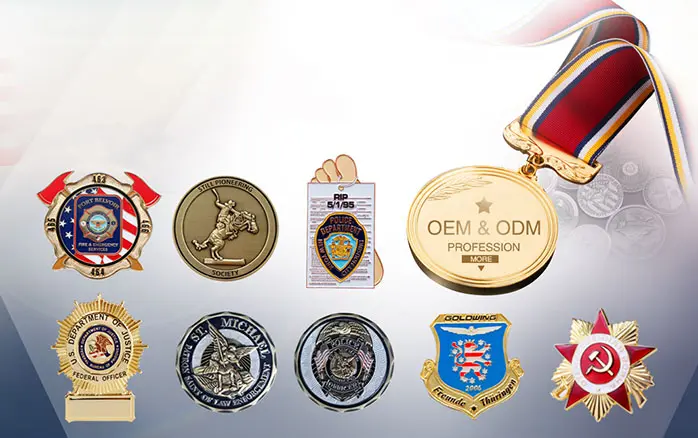
Since 2005, our company specializing in the manufacture of custom Lapel Pins, Custom Enamel Pins, strives to provide only the top-notch pins to customers. Our mission is to offer our customers the best quality pins at highly competitive prices and on-time delivery!
Our Advantage:
Automation equipment, increase efficiency, save time and cost, quality assured, our purpose is to bring better for the customer.
Adapting poppy lapel pin specifications for diverse cultural, institutional, and commercial deployment environments.
For non-profit institutions, Royal British Legion style commemorations, and Veterans Affairs fundraising drives, high-volume consistency is crucial. Badges are typically fitted with anti-spin double spur backings or magnetic attachments to protect formal attire while maintaining strict aesthetic alignment during solemn public events.
Multinational corporations utilize custom-branded poppy lapel pins during November Remembrance cycles to signal Environmental, Social, and Governance (ESG) engagement. Custom backer cards printed on FSC-certified recycled paper allow organizations to convey their corporate pledge alongside the custom pin emblem.
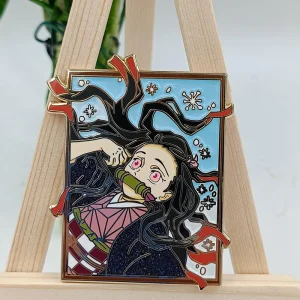
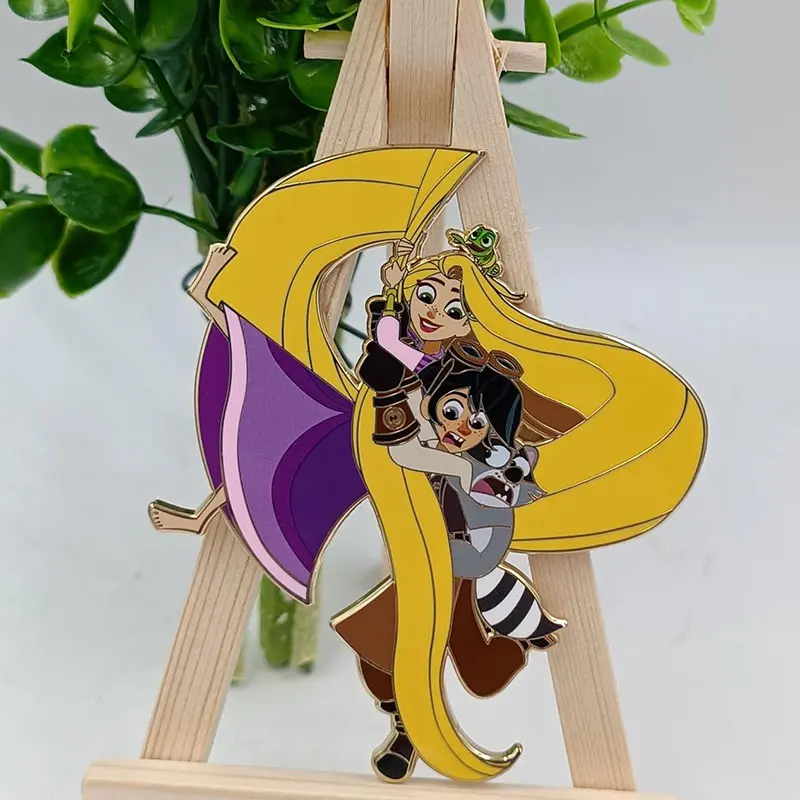
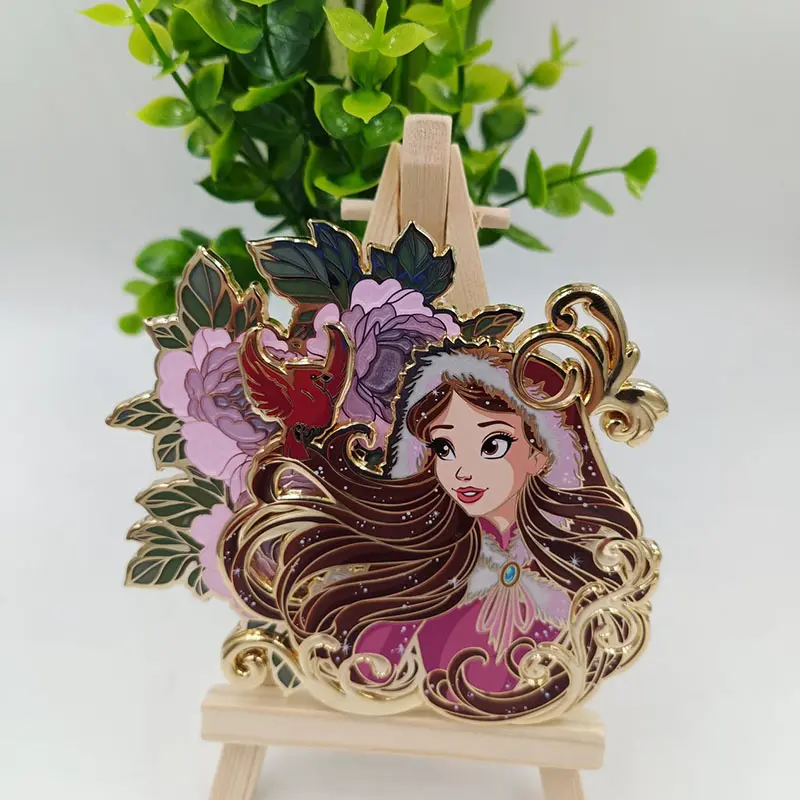
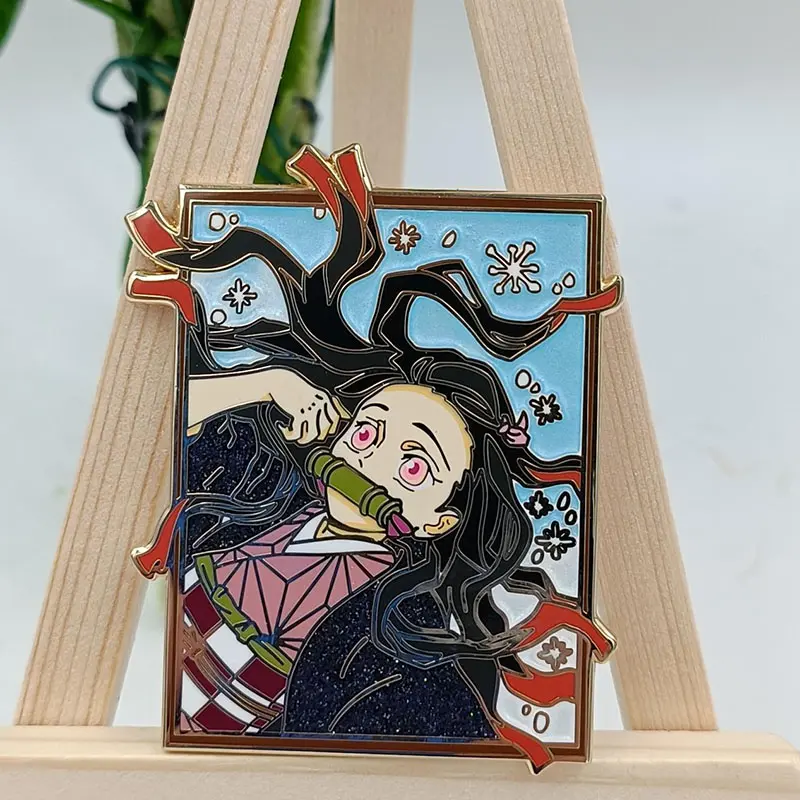
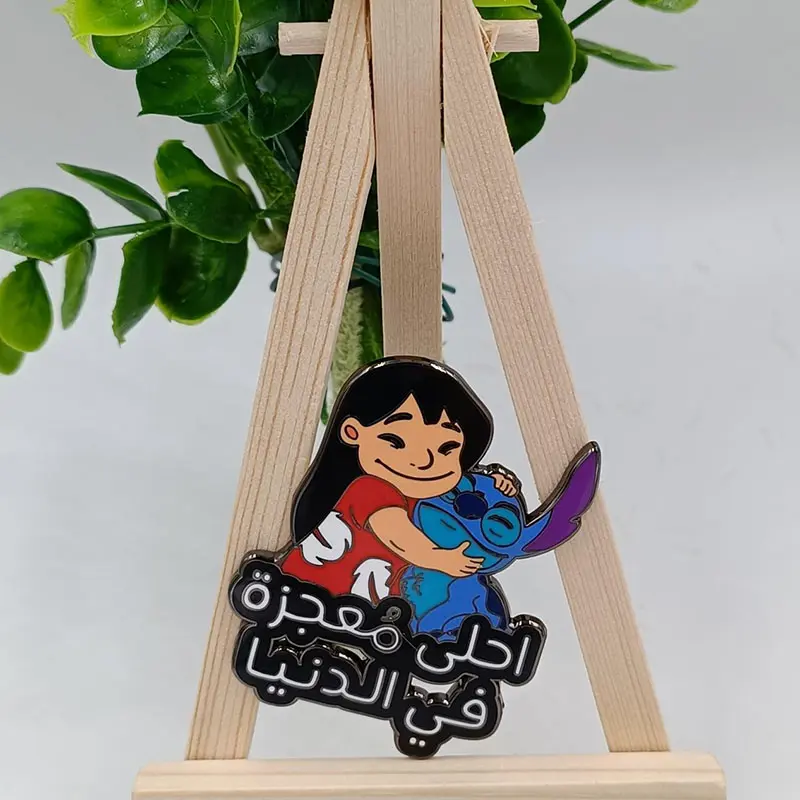
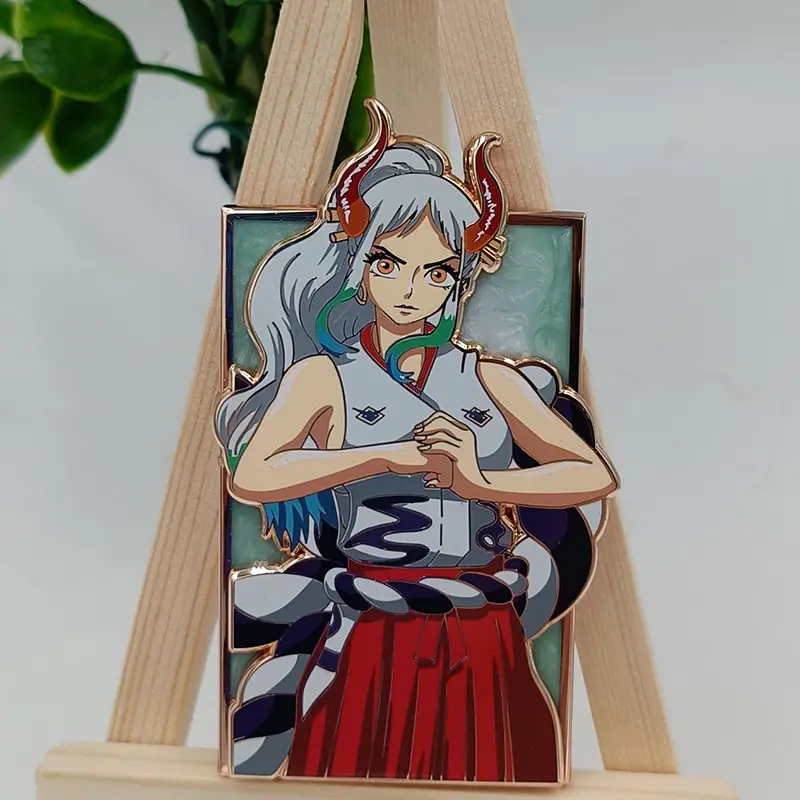
Blending traditional poppy motifs with pop-culture themes (anime, fantasy, and retail IP licensing) creates collectible enamel pin art. Features such as specialized glitter fills, translucent enamel over textured metals, screen-printed micro-details, and serialized back-stamping drive high retail margin resale.
Next-generation hardware capabilities reshaping the custom emblem and lapel pin manufacturing industry.
Global brands are increasingly prioritizing circular supply chains. Advanced factories are converting to 100% recycled zinc alloys sourced from industrial scrap, reducing carbon footprints by up to 65% per badge. Furthermore, traditional petroleum-based clear epoxy covers are being replaced by plant-derived bio-resins that eliminate yellowing over time while fulfilling global sustainability mandates.
High-value commemorative pins and military challenge badges now incorporate micro-laser engraved serial numbers and security guilloche patterns on the reverse side. Advanced smart pin prototypes integrate sub-millimeter passive NFC or RFID chips embedded beneath the epoxy enamel layer, allowing smartphones to verify authenticity and unlock digital certificates of origin.
Addressing technical, operational, and commercial questions for enterprise buyers and product developers.
Explore additional specialized pin designs, 3D molds, and custom finish options crafted in our factory.